
What to Do If You Discover Biohazard Materials During Spring Cleaning
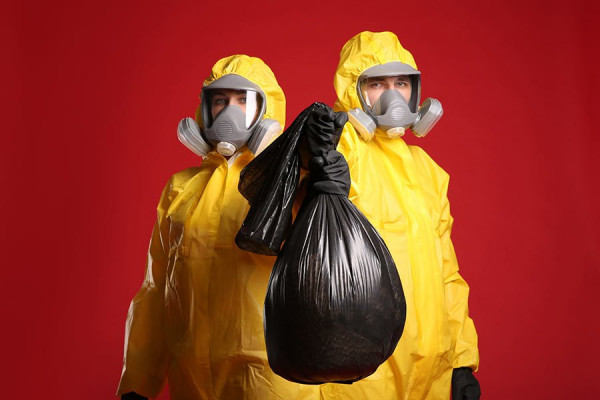
Spring cleaning is meant to refresh your home—but occasionally, it reveals more than just dust and clutter. Homeowners sometimes uncover materials that pose serious health risks, including biohazards. Knowing how to respond can protect you, your family, and your property.
What Counts as a Biohazard?
A biohazard is any biological substance that poses a threat to human health. During spring cleaning, the most common examples include:
- Rodent droppings or urine
- Blood or bodily fluids
- Animal remains
- Mold infestations
- Unattended decomposition situations
- Improperly stored medical waste
Some of these materials can carry harmful pathogens, including diseases like Hantavirus, which can be transmitted through contaminated dust particles.
Why Spring Cleaning Increases Risk
Winter often hides problems that only become visible in spring. As temperatures rise:
- Rodents become more active (or leave behind waste)
- Moisture buildup leads to mold growth
- Odors reveal hidden decomposition or contamination
- Stored items get disturbed, releasing hazardous particles
What looks like a simple cleanup can quickly become a health hazard.
What NOT to Do
If you encounter suspected biohazard material, avoid these common mistakes:
- ❌ Sweeping or vacuuming contaminated areas (this can aerosolize dangerous particles)
- ❌ Using household cleaners that aren’t designed for disinfection
- ❌ Handling materials without proper protective equipment
- ❌ Disposing of waste improperly
These actions can increase exposure and spread contamination.
What You SHOULD Do Immediately
If you suspect a biohazard, take these steps:
- Isolate the Area
Close off the space to prevent cross-contamination. - Avoid Direct Contact
Do not touch or attempt to clean the material. - Increase Ventilation (Carefully)
Open windows if it can be done without disturbing the area. - Call a Professional Biohazard Cleanup Company
Certified technicians use specialized equipment, PPE, and EPA-approved disinfectants to safely remove hazardous materials.
When to Call Professionals
You should always seek professional help if:
- There is visible blood, bodily fluids, or decomposition
- Rodent infestations are extensive
- Strong odors suggest hidden contamination
- Mold covers a large area
- There’s any uncertainty about safety
Biohazard cleanup isn’t just about cleaning—it’s about proper containment, disinfection, and legal disposal.
Protect Your Health This Spring
Spring cleaning should leave your home safer—not put you at risk. If you discover anything that might be hazardous, it’s better to act cautiously and bring in experts who are trained to handle these situations safely and discreetly.
Latest news
What to Do If You Discover Biohazard Materials During Spring Cleaning. Biohazard Cleanup and Hoarding Cleanup in Arlington County, Frederick, MD, Reston, and Washington D.C.
Read More
Professional Sanitization Services in Fairfax, Woodbridge, McLean, Alexandria, and Arlington, VA. Home Deep Cleaning, Biohazard Cleanup, Home Disinfection Services, and Blood Cleanup.
Read More
Home Deep Cleaning Services in Fairfax, Woodbridge, McLean, Alexandria, and Arlington, VA. Save Time and Reduce Stress with Home Disinfection Services, and Hoarding Cleanup.
Read More